How a Commercial Electrician Supports Sustainable Building Goals
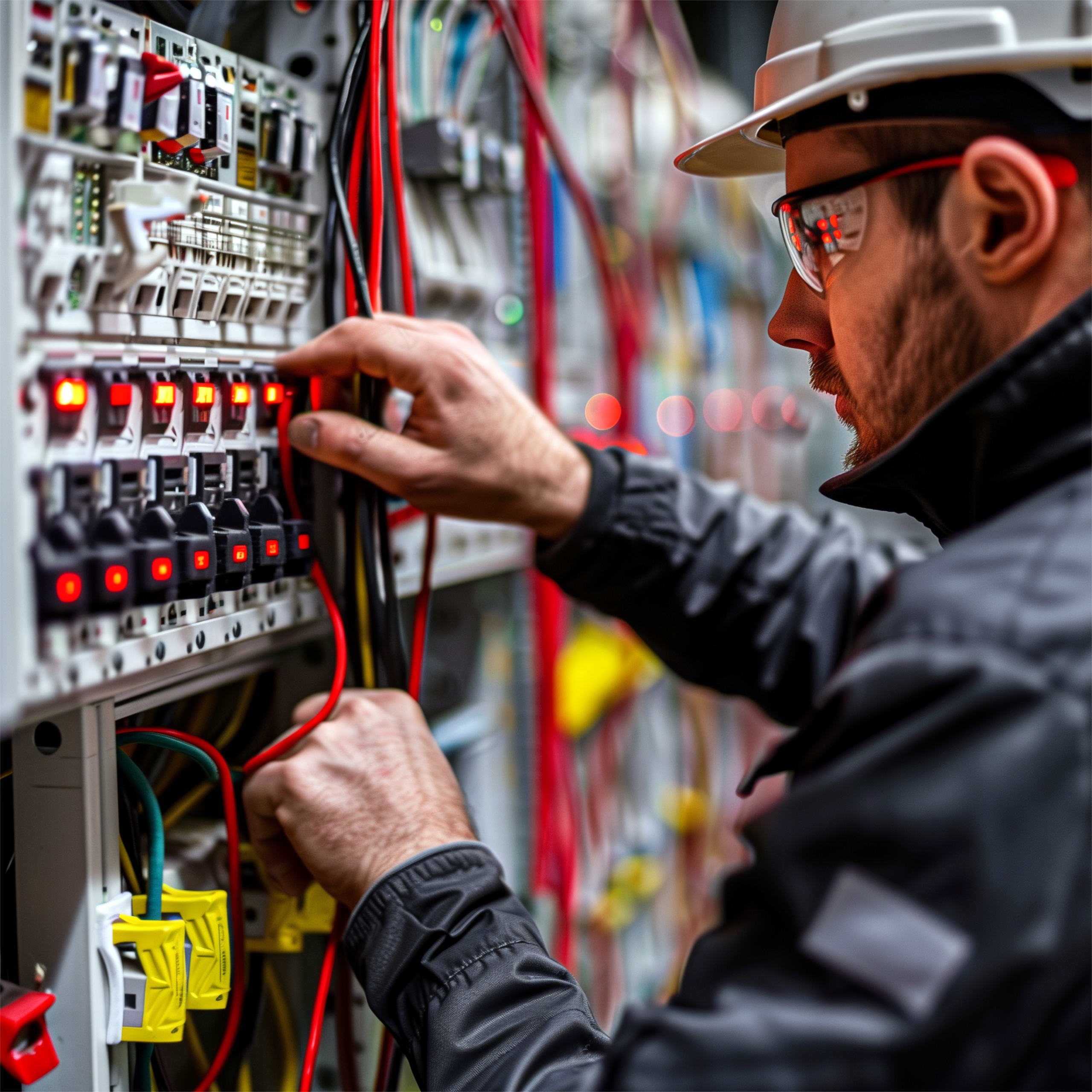
Sustainable building goals are often discussed in terms of architecture, insulation, glazing, and mechanical systems. Those elements matter, but many projects rise or fall on decisions hidden above ceilings, behind walls, and inside electrical rooms. A building can have an ambitious environmental brief and still underperform if the electrical infrastructure is poorly planned, badly installed, or disconnected from how the space will actually operate.
That is where a skilled Commercial Electrician becomes central to the outcome. In practical terms, sustainability is not only about specifying efficient equipment. It is about making sure power is distributed intelligently, controls work as intended, future loads are anticipated, and maintenance teams are not left with a system they cannot manage. The electrician is one of the trades that turns design intent into measurable building performance.
On well-run projects, the electrical team is involved early enough to influence major decisions. On rushed or fragmented projects, the electrician is often asked to make a green building strategy work after most of the crucial choices have already been locked in. I have seen both scenarios. The difference shows up later in occupancy data, tenant comfort, maintenance costs, and the number of service calls in the first year.
Sustainability in buildings is an electrical issue
Modern sustainable buildings depend heavily on electrical systems. Lighting, controls, metering, renewable energy integration, electric vehicle charging, occupancy sensors, variable speed drives, battery storage, and building automation all rely on electrical design and installation. Even high-efficiency heating systems increasingly shift toward electrification through heat pumps and advanced control packages.
That means sustainability targets are not achieved through a single product or one impressive piece of technology. They are achieved through coordination. If sensors are in the wrong place, if controls are not commissioned properly, if circuits are not separated for monitoring, or if a panel has no room for future clean-energy upgrades, the building may miss the very goals it was designed to meet.
A Commercial Electrician sees these interactions at ground level. Drawings may show intent, but the electrician sees cable routes that affect material use, distribution layouts that affect voltage drop, and equipment locations that affect access and long-term maintenance. Those details may sound ordinary, yet they shape the daily energy behavior of the building for decades.
Early input saves energy later
The most valuable sustainability work often happens before conduit is installed. During preconstruction and coordination meetings, experienced electricians can identify where sustainable goals are realistic, where they need support from other trades, and where a design contains hidden inefficiencies.
Take lighting as an example. A consultant may specify high-efficiency fixtures with occupancy sensing and daylight harvesting. On paper, that looks excellent. In the field, the electrician may notice that fixture zoning does not align with how the rooms will actually be used, or that glazing orientation will create sensor problems at certain hours. Adjusting the layout before rough-in can prevent a system from becoming a source of occupant frustration. If people start overriding automatic controls because the room keeps dimming at the wrong time, the intended energy savings disappear.
The same is true for electrical rooms and risers. Sustainable buildings often require more metering, more communications pathways, and more flexibility for future upgrades. If a building is likely to add rooftop solar, battery backup, or extra EV charging capacity within five years, planning for spare conduit pathways and panel capacity during initial construction is far cheaper and less disruptive than tearing into finished spaces later.
This is one of the less glamorous contributions a Commercial Electrician makes. It is not a dramatic technology story. It is disciplined foresight, and in sustainable construction, foresight is money saved, carbon avoided, and headaches prevented.
Efficient lighting is more than fixture selection
Lighting usually gets attention first because it is visible, measurable, and relatively quick to upgrade. But sustainable lighting performance depends on a chain of decisions, not just efficient lamps or LED fixtures.
An experienced electrician helps ensure that fixtures are installed in a way that supports useful light levels without waste. In offices, classrooms, warehouses, and retail environments, overlighting is still common. Sometimes it comes from a cautious design approach. Sometimes it comes from late changes in use. Either way, the result is the same: unnecessary energy consumption and often worse visual comfort.
Proper zoning matters just as much as fixture efficacy. Perimeter zones near windows should rarely be controlled the same way as deep interior zones. Meeting rooms, corridors, storage spaces, and washrooms all have distinct occupancy patterns. Good electrical planning separates those loads and ties them to suitable controls. Poor planning lumps too many areas together, so lights stay on because one occupied space keeps an entire zone energized.
I once worked on a tenant fit-out where the client wanted aggressive energy savings, but the original circuiting grouped open-plan desks, breakout areas, and private offices into broad zones. The controls technically complied with the brief, yet they were too blunt to match real use. Reworking those circuits added some labor upfront, but it reduced lighting runtime significantly and improved staff satisfaction because the building finally responded to how people actually moved through the space.
That is a recurring theme in sustainable buildings. Occupants do not adapt themselves to systems for very long. Systems need to adapt to occupants.
Controls and commissioning are where the gains become real
A building with advanced controls can perform brilliantly or disappoint everyone involved. The difference usually lies in installation quality, programming coordination, and commissioning discipline. Electricians sit at the center of that process.
Sensors need correct placement. Control wiring needs clean termination. Emergency lighting interfaces need to function under test conditions, not just in theory. Time schedules, override switches, relay logic, and communication links all need to work together. A small error can create a chain of waste. A sensor mounted too close to an air diffuser might false-trigger occupancy. A misaddressed device on a lighting control network can leave a zone operating outside its schedule for months before anyone notices.
Commissioning is often treated as a final administrative step, but in high-performance buildings it is a technical proving ground. The electrician has to verify not just whether power is present, but whether the building behaves correctly under different modes of operation. Day mode, after-hours mode, cleaning mode, emergency mode, and demand response events can all alter system behavior.
Sustainable outcomes depend on this level of detail because energy waste is rarely dramatic. More often, it is quiet and persistent. A fan runs longer than needed. A bank of corridor lights never dims. A meter is installed but not communicating. Those are not headline failures, yet over a year they can erode performance enough to miss energy targets by a meaningful margin.
Metering turns sustainability from aspiration into evidence
If a building owner cannot see where power is going, sustainability becomes guesswork. Submetering and energy monitoring give operators the information needed to manage actual performance rather than rely on assumptions.
This is another area where the Commercial Electrician plays a practical role. Metering systems need correct installation, current transformer placement, labeling, integration with software platforms, and verification that readings are accurate. If any of those steps are mishandled, the data becomes unreliable, and unreliable data leads to poor decisions.
Well-planned metering allows building teams to separate lighting loads from plug loads, base building consumption from tenant consumption, and critical equipment from discretionary usage. That matters because energy reduction strategies are more effective when they are specific. A building manager may assume HVAC is the main issue, only to discover through metering that overnight plug loads are unusually high. Another site may learn that an EV charging area is creating unexpected peak demand charges. Without measurement, both teams would be operating on instinct.
There is also a human benefit to visible metering. Owners and facilities teams tend to care more about systems they can observe. A dashboard does not save energy by itself, but it creates accountability. Once patterns are visible, waste becomes harder to ignore.
Electrification changes the electrician’s role
Sustainable building goals increasingly involve moving away from fossil fuel combustion within the building. That shift places more responsibility on electrical infrastructure. Heat pumps, electric domestic hot water systems, induction cooking in commercial kitchens, and electric fleet charging all increase or reshape demand.
This is not just a matter of upsizing service capacity. Good electricians help projects think carefully about load diversity, panel arrangements, future expansion, and the operating profile of new electrical equipment. A heat pump system may have a different startup characteristic than legacy equipment. Vehicle charging may create sharp demand spikes if unmanaged. Battery storage may offset some of those peaks, but only if the integration is designed and commissioned correctly.
One of the most common mistakes in retrofit projects is underestimating the ripple effect of electrification. The owner wants cleaner systems, which is sensible, but the existing switchgear, distribution boards, or feeder routes may not support the upgrade cleanly. A seasoned Commercial Electrician can flag these realities early and help the team choose between staged upgrades, load management strategies, or selective infrastructure replacement.
That input protects the sustainability goal from becoming a budget blowout halfway through construction.
Renewable energy only performs as well as its integration
Solar photovoltaics get plenty of attention in sustainable building conversations, and for good reason. They can reduce grid demand, improve resilience, and support carbon goals. Still, solar is not a plug-and-play sustainability badge. It has to be integrated into the building’s electrical system correctly.
Electricians handle the practical side of that integration, from inverter connections and isolators to protection coordination, labeling, shutdown procedures, and interface with utility requirements. On existing commercial sites, they also deal with the awkward realities that brochures never mention: crowded switch rooms, aging distribution equipment, roof penetrations that require coordination, and shutdown windows that must fit around business operations.
The same applies to battery systems. Energy storage can help buildings smooth demand, support critical loads, or make better use of on-site generation. Yet batteries add complexity in ventilation, fire safety coordination, monitoring, and control logic. Installation quality matters because these systems have little tolerance for loose workmanship.
Sustainability claims often focus on installed capacity, the size of the array, the kilowatt-hours of storage. Operators care about something simpler: does the system work consistently, safely, and as promised? Electricians bridge that gap between specification and reality.
Material choices and installation methods matter too
Operational energy gets most of the attention, but sustainable construction also involves material efficiency and waste reduction during the build. A thoughtful electrician can contribute here in ways that are easy to overlook.
Accurate takeoffs reduce overordering. Smart routing reduces cable length. Prefabrication of certain assemblies can cut waste, improve consistency, and shorten site time. Reuse of viable existing pathways or containment, where code and condition allow, can reduce demolition debris and embodied impact. None of this should compromise safety or maintainability, but when handled well it supports the project’s environmental goals without fanfare.
Site practices matter as well. Separating scrap metal, minimizing packaging waste, protecting installed systems from damage, and coordinating access so work is not redone all reduce unnecessary material loss. Rework is one of the quiet enemies of sustainability. Every replacement fitting, extra cable pull, or damaged fixture carries a cost in labor, transport, and material.
On a large commercial fit-out, even small efficiencies add up. Saving ten meters of cable in one room is irrelevant. Saving ten meters in a hundred rooms is not.
The building automation relationship
Many high-performance buildings rely on strong coordination between electrical systems and building automation. The line between trades can get blurry here. Controls contractors, mechanical teams, commissioning agents, and electricians all touch parts of the same system.
When that relationship works, sustainable performance improves. Occupancy data can inform both lighting and HVAC response. Load shedding can be managed intelligently during peak pricing periods. Fault alerts can help maintenance teams respond before inefficiencies become chronic. When coordination breaks down, buildings end up with isolated systems that each work on their own terms but never operate as a unified whole.
Electricians often act as the practical translators in this environment. They understand field conditions, power requirements, pathways, and interface points. They can spot when a controls sequence assumes hardware that has not been provided, or when a metering package lacks the communication backbone needed to be useful. This role requires more than installation skill. It requires judgment and enough system awareness to ask the right questions before walls are closed and deadlines tighten.
Retrofit work demands realism
New construction gets much of the publicity around sustainable buildings, but a huge share of meaningful environmental improvement will come from retrofits. Existing commercial buildings are full of aging lighting systems, inefficient controls, limited metering, and electrical infrastructure that was never designed for today’s loads.
Retrofit sustainability work is where experience shows. Existing conditions are rarely neat. Drawings may be outdated. Panels may be poorly labeled. Conduits may be full. Shutdown opportunities may be limited to nights or weekends. Occupants still need to work while upgrades happen around them.
In that setting, a Commercial Electrician supports sustainability by balancing ambition with practical sequencing. The goal is not simply to install efficient equipment. It is to improve performance with minimal disruption, manageable cost, and a realistic path for facilities staff.
The most effective retrofit plans usually share a few traits:
- They prioritize measures with clear operational payback, such as lighting controls, metering, and targeted equipment replacement.
- They stage infrastructure upgrades so future electrification or renewable additions remain possible.
- They account for tenant operations, access limits, and after-hours work from the start.
- They leave behind labeling, documentation, and training that the maintenance team can actually use.
- They avoid overcomplicating systems in buildings that lack the staffing to manage them.
That last point deserves emphasis. Sophisticated technology can support sustainability, but only if the owner has the capacity to operate it. I have seen beautifully specified systems end up stuck in manual mode because no one on site felt confident adjusting them. A simpler, well-understood solution often outperforms a more advanced one that nobody trusts.
Resilience is part of sustainability
A sustainable commercial building should not only use energy efficiently. It should also cope better with disruption. Power quality issues, outages, extreme weather events, and changing occupancy needs all test whether a building is genuinely robust.
Electricians contribute to resilience through backup power planning, selective coordination, surge protection, safe isolation procedures, and system layouts that support maintainability. These are not always marketed as sustainability measures, but they protect the building’s long-term usefulness and reduce the https://damiengpih879.talesignal.com/posts/how-a-commercial-electrician-ensures-reliable-power-for-offices likelihood of wasteful emergency replacements.
Consider a facility with sensitive equipment or critical business operations. If an avoidable electrical fault takes down part of the building, the consequences may include spoiled inventory, damaged equipment, unplanned generator use, or rushed replacement work. Preventing that kind of failure supports both environmental and financial performance.
Resilience also matters in the context of grid change. As utilities adjust tariffs, add demand response programs, and integrate more renewable generation, commercial buildings need electrical systems that can adapt. Electricians help create that adaptability through expandable infrastructure, well-documented installations, and equipment choices that do not box the owner into one narrow operating model.
Safety, compliance, and sustainability are not competing priorities
There is sometimes a false tension between sustainability goals and electrical compliance, as if efficient systems require compromises on safety or code clarity. In competent hands, that should never be the case.
A professional Commercial Electrician understands that sustainable systems must still be serviceable, properly protected, and clearly labeled. Renewable energy installations need safe isolation. EV charging circuits need appropriate protection and load consideration. Metering additions must not create unsafe panel conditions. Controls should not interfere with life safety functions. Access clearances still matter, even in crowded retrofit spaces where every square meter is contested.
The best sustainable electrical work looks ordinary in one important sense: it is tidy, logical, and safe. That might not sound exciting, but buildings keep their performance longer when their systems are straightforward to inspect, test, and maintain.
What owners and project teams should expect from their electrician
Not every electrician is equipped for high-performance building work. The trade is broad, and sustainable commercial projects ask for more than basic installation capability. Owners and general contractors benefit from involving electricians who understand controls, commissioning expectations, energy-conscious layout decisions, and the operational side of commercial buildings.
A capable electrician will ask questions that sharpen the sustainability plan. How will this area actually be occupied? What future loads should the panel allow for? Who will manage the control system after handover? Is the metering package giving the owner useful information or just more hardware? Those questions can save substantial money and disappointment later.
They also know where theory meets friction. They understand that a perfect drawing set can still create site conflicts, and that sustainable goals need buildable pathways to succeed. This practical intelligence is often the difference between a building that earns praise at handover and one that continues performing three years later.
The long life of small decisions
Buildings are full of small electrical decisions that seem minor in isolation. Fixture spacing, circuit separation, panel spare capacity, sensor placement, labeling quality, controls programming, commissioning thoroughness, and documentation standards can all feel like details buried inside a large project. Yet sustainable building performance is built from those details.
That is why the role of the Commercial Electrician is so important. The electrician does not just bring power to a building. Done well, the work shapes how efficiently the building operates, how easily it adapts, how reliably it performs, and how successfully it meets the environmental goals attached to it.
Sustainable construction is often discussed in sweeping terms, but the real progress happens through skilled execution. It happens when someone on site notices that a proposed control zone will frustrate users, that a future EV feeder should be planned now, that a metering point is missing, or that a rooftop solar tie-in needs a cleaner route. Those observations do not always make the marketing brochure. They are still the reason many green building ambitions succeed.
For owners, developers, and design teams aiming for lasting performance, the lesson is simple. Treat electrical work as a strategic part of sustainability, not just a delivery package at the end of the drawings. Bring the right electrical expertise in early, listen when field experience challenges assumptions, and value commissioning as much as specification.
That is how sustainable building goals move from paper to practice.
Paxos Electric Company, LLC
255 NJ-15
Wharton, NJ 07885
(973) 598-8543
FAQ About Commercial Electrician
How much should a commercial electrician charge per hour in Wharton NJ?
Hourly rates vary by contractor, job complexity, and timing. Ask whether the quote includes a service minimum, travel, materials, and any after-hours charges. A written estimate makes it easier to compare the total cost.
How to estimate commercial electrical jobs?
Start with a defined scope and a site walkthrough. Share the plans, equipment specifications, site access details, and any limits on shutdowns. Ask the contractor to itemize labor, materials, and testing, and to identify permit responsibilities and exclusions.
Do any electricians give free estimates?
Some contractors offer free estimates for planned projects. Paxos Electric Company offers free estimates for commercial electrical work. Ask when scheduling whether troubleshooting or diagnostic visits carry a separate fee.